Business Waste Removal in Kentish Town: Ensuring a Cleaner, Greener Workplace
Introduction to Business Waste Removal
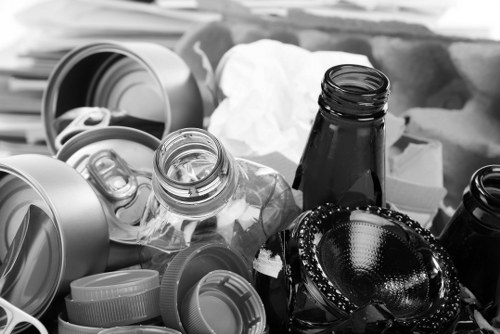
Managing business waste efficiently is crucial for maintaining a clean and sustainable workplace. **Kentish Town** businesses face unique challenges when it comes to waste removal, from regulatory compliance to environmental responsibility.
Effective waste removal not only keeps your office or commercial space tidy but also contributes to a healthier environment and a positive public image. In this article, we'll explore the essentials of business waste removal in Kentish Town, offering insights and tips for optimizing your waste management strategy.
Whether you're a small startup or a large corporation, understanding the best practices for waste removal can save you time, money, and resources. Let's dive into the key aspects of *business waste removal* in Kentish Town.
Types of Business Waste
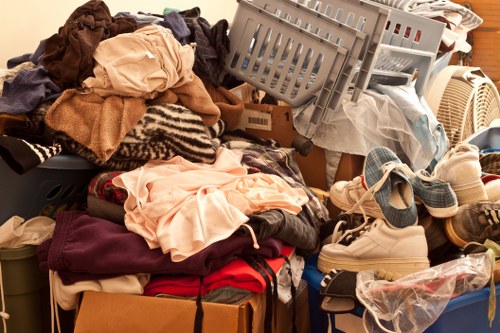
Businesses generate various types of waste, each requiring specific handling and disposal methods. Common categories include:
- General Waste: Non-recyclable materials like food scraps, packaging, and everyday office waste.
- Recyclable Waste: Paper, cardboard, plastics, metals, and glass that can be reprocessed.
- Hazardous Waste: Materials that pose environmental or health risks, such as chemicals, batteries, and electronic waste.
- Organic Waste: Biodegradable waste like food waste and landscaping debris.
Proper segregation and disposal of these waste types are essential for compliance with local regulations and environmental sustainability.
Understanding the specific waste your business produces helps in selecting the right waste removal services and implementing effective waste management practices.
Regulations and Compliance
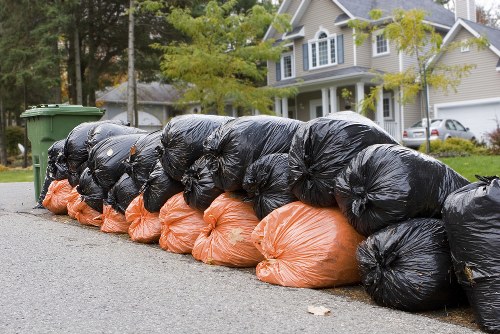
Kentish Town businesses must adhere to local and national regulations regarding waste disposal. Non-compliance can result in fines, legal action, and damage to your reputation.
Key Regulations to Consider:
- Environmental Protection Act: Governs the disposal of hazardous waste and ensures minimal environmental impact.
- Local Bylaws: Specific rules set by community councils that dictate waste collection schedules, recycling requirements, and prohibited disposal practices.
- Health and Safety Regulations: Ensure that waste handling does not pose risks to employees or the public.
Partnering with reputable waste removal companies familiar with Kentish Town's regulatory landscape can help ensure your business remains compliant and avoids potential penalties.
Staying informed about regulatory changes and updating your waste management practices accordingly is also crucial for ongoing compliance.
Choosing the Right Waste Removal Service
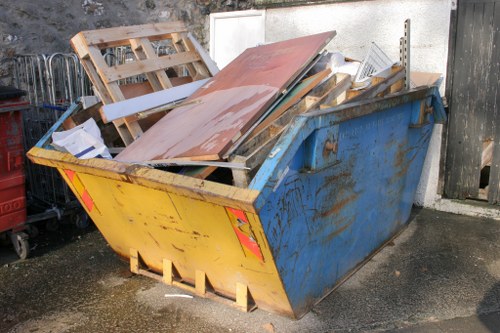
Selecting a reliable waste removal service is vital for effective business waste management. Here are key factors to consider:
- Experience and Reputation: Look for companies with a proven track record in Kentish Town and positive customer reviews.
- Service Offerings: Ensure they provide the types of waste removal services your business requires, including recycling and hazardous waste management.
- Compliance Assurance: The service should be knowledgeable about local regulations and ensure proper disposal methods.
- Flexibility and Scheduling: Choose a provider that can accommodate your business hours and waste pickup frequency needs.
- Cost-Effectiveness: Compare pricing structures to find a service that offers competitive rates without compromising quality.
By carefully evaluating these factors, you can select a waste removal partner that aligns with your business goals and sustainability initiatives.
Don't hesitate to request quotes and ask questions to ensure the service meets all your requirements.
Benefits of Professional Waste Removal
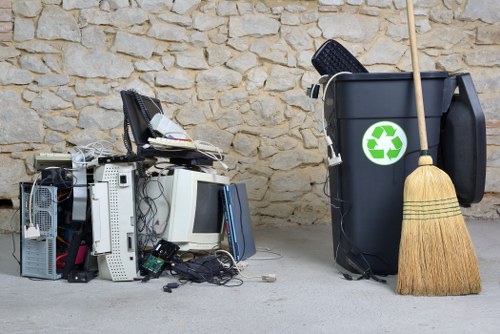
Hiring a professional waste removal service offers numerous advantages for your business:
- Time Savings: Outsourcing waste management allows you to focus on core business activities.
- Cost Efficiency: Professional services can reduce waste disposal costs through optimized collection and recycling processes.
- Environmental Impact: Proper waste handling minimizes environmental harm and supports sustainability efforts.
- Regulatory Compliance: Ensures all waste is disposed of according to local laws, avoiding fines and penalties.
- Improved Workplace Hygiene: Regular waste removal maintains a clean and safe working environment.
These benefits not only enhance your business operations but also contribute to a positive corporate image.
Investing in professional waste removal is a strategic decision that supports long-term business success.
Implementing Effective Waste Management Practices
To maximize the benefits of waste removal services, implement effective waste management practices within your business:
- Waste Audits: Conduct regular assessments to identify the types and volumes of waste produced.
- Segregation: Separate waste into designated categories to facilitate recycling and proper disposal.
- Employee Training: Educate staff on waste management policies and best practices.
- Reduce, Reuse, Recycle: Promote strategies to minimize waste generation and encourage recycling initiatives.
- Monitor and Review: Continuously track waste management performance and make necessary adjustments.
These practices help in achieving efficient waste management, reducing costs, and enhancing environmental stewardship.
Engaging employees in these efforts fosters a culture of responsibility and sustainability.
Innovative Solutions in Waste Management
The waste management industry is evolving with innovative solutions that enhance efficiency and sustainability:
- Automated Waste Sorting: Advanced technologies for precise waste categorization and recycling.
- Composting Programs: Turning organic waste into valuable compost for landscaping or agriculture.
- Waste-to-Energy: Converting waste materials into energy, reducing landfill dependency.
- Digital Tracking Systems: Monitoring waste generation and collection through smart technologies.
- Eco-Friendly Packaging: Using sustainable materials to reduce overall waste production.
Adopting these innovations can significantly improve your waste management processes and contribute to environmental conservation.
Stay updated with the latest trends to keep your business at the forefront of sustainable practices.
Case Studies: Successful Waste Removal in Kentish Town
Examining successful implementations can provide valuable insights into effective waste removal strategies:
Example 1: Local Retail Chain
A Kentish Town retail chain partnered with a professional waste removal service to streamline their waste management. By implementing a comprehensive recycling program and regular waste audits, they reduced their waste disposal costs by 30% and enhanced their environmental footprint.
Example 2: Corporate Office
A large corporate office in Kentish Town adopted automated waste sorting systems and employee training programs. This led to a significant increase in recycling rates and ensured compliance with environmental regulations, while also promoting a culture of sustainability among employees.
These case studies illustrate the tangible benefits of investing in professional waste removal services and effective waste management practices.
They highlight the potential for cost savings, regulatory compliance, and positive environmental impact.
Environmental Impact of Business Waste
Business waste management plays a critical role in environmental conservation. Improper disposal can lead to pollution, resource depletion, and greenhouse gas emissions.
Key Environmental Concerns:
- Landfill Overuse: Excessive waste increases landfill use, leading to soil and water contamination.
- Resource Depletion: Non-recycled materials contribute to the depletion of natural resources.
- Air Pollution: Incineration of waste releases harmful pollutants into the atmosphere.
- Climate Change: Waste decomposition in landfills produces methane, a potent greenhouse gas.
- Biodiversity Loss: Pollution from waste can harm wildlife and disrupt ecosystems.
By implementing effective waste removal and recycling programs, businesses can mitigate these environmental impacts and contribute to a more sustainable future.
Adopting eco-friendly practices not only benefits the planet but also enhances your business's reputation and appeal to environmentally conscious consumers.
Cost Analysis of Waste Removal Services
Understanding the costs associated with waste removal is essential for budgeting and financial planning:
- Service Fees: Charges based on the volume or weight of waste collected.
- Recycling Fees: Additional costs for processing recyclable materials.
- Hazardous Waste Handling: Specialized disposal fees for hazardous materials.
- Frequency of Pickups: More frequent collections may incur higher costs.
- Additional Services: Fees for extra services like on-site waste audits or emergency pickups.
While there are costs involved, investing in professional waste removal services can lead to long-term savings through optimized waste management and reduced disposal fees.
Evaluate different service providers and their pricing structures to find a solution that fits your budget while meeting your waste management needs.
Sustainable Practices for Businesses
Incorporating sustainable practices into your waste management strategy enhances your environmental responsibility:
- Reduce Waste Generation: Implement policies to minimize waste production.
- Reuse Materials: Find ways to repurpose materials within your operations.
- Increase Recycling: Enhance recycling programs to divert more waste from landfills.
- Adopt Green Technologies: Utilize eco-friendly technologies for waste processing.
- Engage Employees: Foster a culture of sustainability through education and involvement.
These practices not only contribute to environmental preservation but also improve operational efficiency and reduce costs.
Embracing sustainability can differentiate your business and attract clients who value environmental responsibility.
Future Trends in Waste Removal
The waste management industry is continuously evolving with advancements aimed at improving efficiency and sustainability:
- Advanced Recycling Technologies: Innovations in recycling processes to handle a wider range of materials.
- Smart Waste Management Systems: Integration of IoT and AI for real-time waste tracking and optimization.
- Circular Economy Models: Shifting towards systems where waste is reused and recycled continuously.
- Biodegradable Materials: Development and adoption of materials that break down naturally, reducing waste.
- Government Incentives: Policies and incentives promoting sustainable waste management practices.
Staying abreast of these trends allows businesses to adapt and implement cutting-edge waste removal solutions.
Proactive adoption of future-oriented practices ensures long-term sustainability and competitiveness.
Conclusion
Business waste removal in Kentish Town is a vital component of sustainable and efficient operations. By understanding the types of waste, adhering to regulations, choosing the right service providers, and implementing effective waste management practices, businesses can achieve significant benefits.
Investing in professional waste removal services not only ensures compliance and environmental stewardship but also enhances the overall productivity and reputation of your business.
**Contact us today** to learn more about how our waste removal services can support your business in Kentish Town. Let us help you create a cleaner, greener, and more sustainable workplace.