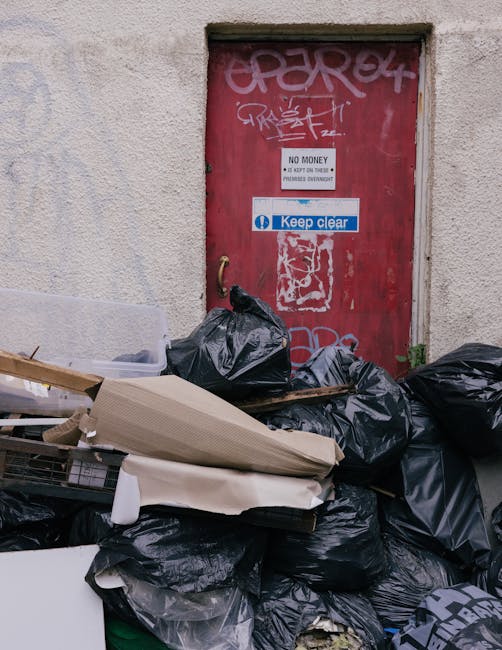
Rubbish clearance cost in Kentish Town real cost guide
If you are trying to work out the rubbish clearance cost in Kentish Town, you are probably in that awkward middle ground: the mess is real, the quotes are all over the place, and you just want a straight answer. Fair enough. Whether it is a single bulky item, a packed flat, or a tired loft full of forgotten stuff, the final price depends on more than just "how much rubbish is there?"
This Rubbish clearance cost in Kentish Town real cost guide explains what affects pricing, how crews usually quote jobs, where extra charges can appear, and how to avoid paying for more than you need. It is written for people who want clarity before they book, not sales fluff. You will also find practical examples, a comparison table, a checklist, and a few honest pointers from real-world jobs around London terraces, flats, and shared access buildings.
One thing to remember from the start: the cheapest quote is not always the best value. Sometimes it is, sometimes it really isn't. The trick is knowing what you are comparing.
Why Rubbish clearance cost in Kentish Town real cost guide Matters
Kentish Town has its own pace and its own housing quirks. You get basement flats, converted Victorian homes, narrow hallways, front steps that seem to go on forever, and parking that can feel like a little puzzle. All of that affects rubbish clearance cost. Not in a dramatic way every time, but enough that a "standard" price can quickly become less standard once the job is in front of the crew.
That is why a proper cost guide matters. It helps you see the difference between a basic load-and-go collection and a job that needs extra labour, a larger vehicle, careful sorting, or a second visit. It also stops you comparing apples with oranges. A two-person team clearing a cluttered loft is not the same as a quick furniture pickup from the kerb.
For many people, the biggest worry is hidden cost. Will there be a charge for stairs? What about awkward access? Is the quote based on volume or weight? Can mixed waste change the price? These are normal questions, and if you are asking them, good. That usually means you are about to make a sensible decision.
In practice, a realistic cost guide is about confidence. You should be able to look at a pile of waste and understand roughly where the price is likely to land, even before anyone arrives. That is the real value here.
How Rubbish clearance cost in Kentish Town real cost guide Works
Most rubbish clearance quotes are built from a few main factors. The first is volume, which means how much space the waste takes up in the truck. The second is type of waste, because a sofa, garden cuttings, broken tiles, and office paper do not all have the same disposal route. The third is labour and access, which includes stairs, distance from the property, parking, and whether items must be dismantled.
Some companies price by van load, others by cubic yards, and a few use a mix of load size plus labour time. Truth be told, the method matters less than whether it is explained clearly. A transparent quote should tell you what is included, what could change the price, and whether there are any minimum charges.
Here is the practical flow most people experience:
- You describe the waste, ideally with photos.
- The company estimates volume, access, and labour.
- You receive a quote or a price band.
- The crew arrives, checks the load, and confirms the job.
- The waste is removed and sorted for disposal or recycling.
If the waste is mixed or difficult to reach, the cost can move up. If it is easy-access, already bagged, and ready at ground level, the price can be lower. You can see why a "one size fits all" price rarely tells the whole story.
For readers comparing services, it may help to look at a dedicated pricing and quotes page alongside the specific service you need, such as house clearance or flat clearance. The job type often shapes the real cost more than people expect.
Key Benefits and Practical Advantages
There are a few reasons people choose a paid rubbish clearance service instead of trying to do everything themselves. Speed is the obvious one, but it is not the only one.
- Less time lost - you do not spend a Saturday making endless trips to a disposal site.
- Safer lifting - heavy wardrobes, white goods, and bagged rubble are easier handled by a trained team.
- Better sorting - reusable and recyclable items can often be separated more efficiently.
- Cleaner finish - a proper clearance should leave the space swept and usable, not half-done.
- Less stress - particularly if you are clearing after a move, a tenancy change, or a bereavement.
There is also a practical budgeting benefit. Once you understand the usual cost drivers, you can decide whether to combine jobs. For example, clearing a loft and a garage separately can sometimes cost more than booking both together, especially if the team is already on site and access is straightforward.
People sometimes think "cheaper" means "do the bare minimum". Not always. If a company is organised, insured, and experienced with local access issues, you may pay a little more but save yourself a lot of back-and-forth. And, frankly, fewer headaches.
If your job involves furniture, a related service like furniture clearance or furniture disposal can be more cost-efficient than a general waste job, because the crew knows what they are handling and how to plan the load.
Who This Is For and When It Makes Sense
This guide is useful if you are a homeowner, tenant, landlord, estate agent, property manager, small business owner, or someone helping a family member clear a property. It also makes sense if you have a one-off job that is too much for a car boot and too awkward for a casual DIY attempt.
Typical Kentish Town scenarios include:
- a one-bed flat that needs old furniture and bagged clutter removed after a move
- a loft that has become a very expensive storage unit over the years
- garage rubbish, broken shelves, and random boxes that are somehow always damp
- garden waste after a weekend tidy-up
- office items, packaging, or refit waste from a small business
Sometimes the right answer is not a large clearance at all. If you only need a few bulky items removed, a smaller job may suit better. If the space is heavily cluttered, a more comprehensive home clearance may be the cleaner, more practical option.
Ask yourself: do I want the rubbish gone, or do I need the whole space reset? That question saves people a surprising amount of money.
Step-by-Step Guidance
If you want to keep rubbish clearance cost under control, the process is easier than it first looks. The key is preparation, not perfection.
- Sort the waste by type. Separate furniture, general household rubbish, green waste, and building waste where you can.
- Take clear photos. Wide shots plus close-ups give the clearest quote. A single blurry picture usually creates confusion later.
- Measure access. Note stairs, narrow halls, lift access, parking restrictions, and whether the waste is upstairs or in the garden.
- Flag heavy or awkward items. Mattresses, wardrobes, appliances, rubble, or anything that may need dismantling should be mentioned early.
- Ask what the quote includes. Labour, disposal, recycling, VAT if applicable, and any minimum charge should all be clear.
- Check the timings. Same-day jobs can be convenient, but they can also be priced differently from planned collections.
- Confirm payment terms. Make sure you understand how and when payment is taken.
It sounds straightforward because it is. The tricky part is being honest about the size of the job. People often underdescribe it by accident. "Just a bit of rubbish" can turn out to be three rooms, a broken wardrobe, and a pile of flattened boxes. Happens all the time.
For commercial premises, a service such as business waste removal or office clearance often needs a tighter schedule and clearer item lists, because work has to fit around trading hours and staff access.
Expert Tips for Better Results
Here is where a bit of practical know-how really helps. A few small moves can noticeably improve the quote you receive.
- Group items together before photos are taken. A neat pile is easier to assess than scattered bits around several rooms.
- Leave a walkway. Crews work faster when they can move safely. Fast work usually helps the price stay sharper.
- Be specific about waste type. "Mixed waste" is not as helpful as "two sofas, six black bags, and some broken shelving".
- Share access details honestly. If parking is tight, say so. If the lift is tiny, say so. Better now than on arrival.
- Ask whether a partial load is possible. If you do not need everything removed, it may be worth splitting the job.
One useful habit: keep a quick inventory on your phone. Nothing fancy. Just a note with item counts and a rough room-by-room breakdown. It sounds a bit nerdy, yes, but it works.
When a job includes awkward access or fragile interiors, ask about insurance and safety procedures too. A good operator should be able to explain how they manage lifting, property protection, and safe loading without sounding vague. If you want to read more about that side of the service, the pages on insurance and safety and health and safety policy are worth a look.
Common Mistakes to Avoid
Most cost problems are avoidable. Not all, but most.
- Booking only on the cheapest headline price. Low entry prices can rise once labour or access is assessed.
- Hiding the awkward bits. If there are stairs, a tight hallway, or heavy items, mention them early.
- Mixing hazardous or restricted items into general waste. Some items need special handling and cannot simply be thrown on the same load.
- Not asking whether recycling is included. If sustainability matters to you, ask how the waste is sorted.
- Leaving everything until moving day. Panic bookings are rarely the cheapest bookings.
A surprisingly common mistake is assuming a clearance team will automatically know what is being left behind and what is going. They usually do not. If the wrong item gets removed, or the right item gets missed, you are suddenly dealing with delays and extra cost. Not ideal.
Another one: forgetting about storage spaces. People remember the living room but not the loft, then the garage, then the shed. The quote grows because the actual job is bigger than the first version in your head. Happens. More often than you might think.
Tools, Resources and Recommendations
You do not need special software or complicated planning tools to get a sensible rubbish clearance quote. A few simple things are enough.
- Phone camera - use wide shots of each room or area.
- Basic notes app - list the main items and quantities.
- Tape measure - useful if you are comparing the size of sofas, wardrobes, or appliances.
- Sticky notes or labels - helpful for marking what stays and what goes.
- Calendar reminder - handy if the collection needs to fit around a move-out date or refurb schedule.
For more formal quote planning, the pricing and quotes page is a useful place to start, especially if you want to compare a few different types of clearances such as loft, garage, garden, or office waste.
If the job is mainly outside, a dedicated garden clearance service can be the better fit. If it is in a hard-to-reach upper space, loft clearance may be more relevant. Matching the service to the waste is one of the easiest ways to avoid paying for the wrong kind of visit.
Law, Compliance, Standards, or Best Practice
Rubbish clearance is not just about lifting and loading. In the UK, waste has to be handled responsibly, and the company carrying it away should follow the relevant legal and environmental duties for disposal, transfer, and record-keeping. You do not need to memorise the rules, but you should expect the service to operate properly.
Best practice usually includes:
- sorting waste into appropriate streams where possible
- avoiding illegal dumping or poor transfer practices
- handling sensitive items carefully
- protecting the property during removal
- being clear about payment, scope, and any extra charges
If you are choosing between providers, look for evidence of sensible policies rather than flashy promises. A clear recycling and sustainability approach is a good sign. So is a well-explained terms and conditions page that tells you what to expect before anyone turns up.
For specialist jobs, compliance matters even more. Builders waste, for example, can include sharp fragments, plasterboard, timber offcuts, and heavier rubble. That is one reason builders waste clearance exists as its own service rather than being folded into a generic collection.
Options, Methods, or Comparison Table
If you are weighing up your options, it helps to compare the main methods in plain English. The right choice depends on volume, access, urgency, and how much lifting you want to do yourself.
| Method | Best for | Typical pros | Possible drawbacks |
|---|---|---|---|
| DIY tip run | Small amounts you can lift and transport yourself | Flexible, low labour cost if you already have a vehicle | Time-consuming, physically tiring, awkward for bulky items |
| Man and van style clearance | Mixed household rubbish, furniture, and moderate loads | Quick, convenient, usually tailored to the load size | Price can rise if access is poor or the load is larger than expected |
| Full property clearance | Homes, flats, lofts, and estate clearances | Efficient for larger jobs, often the least stressful option | Higher total cost because more labour and time are involved |
| Specialist service | Furniture, builders waste, garden waste, or office items | Better matching of disposal method to waste type | Not always ideal if your job is a mixed, all-in-one clearout |
There is no single "best" method for everyone. If you are clearing an entire property, a proper house clearance is likely to be more sensible than cobbling together a few smaller jobs. If you just need a garage stripped out, then a more focused service can keep the price tidy. Simple, really.
Case Study or Real-World Example
Here is a realistic local example. A couple in a Kentish Town flat were moving out and needed a mix of items removed: a bed frame, a mattress, two chairs, several bags of household clutter, and a few broken bits that had ended up in the corner of the bedroom because, well, life gets like that.
At first they thought it would be a tiny job. Then they checked the loft cupboard and found old boxes, a child's outgrown buggy, and more flat-pack packaging than they had remembered. The collection turned into a broader clearance once everything was gathered together.
What made the difference to the final cost?
- the number of separate items was higher than expected
- the access involved stairs and a narrow landing
- some furniture needed careful handling to avoid damaging walls
- the team removed everything in one visit rather than making multiple trips
Because they grouped the waste before booking and sent clear photos, the quote was much closer to the final price. That is the main lesson, really: good information leads to fewer surprises. No magic, just clarity.
If the job had been limited to just the furniture, a dedicated furniture disposal option might have been enough. But once the hidden clutter came out, a broader clearance made more sense and saved the couple from arranging a second collection.
Practical Checklist
Use this quick checklist before you request a quote or confirm a collection.
- Have I listed all items that need removing?
- Have I taken clear photos from more than one angle?
- Have I mentioned stairs, parking, and tight access?
- Do I know whether the job is general waste, furniture, garden waste, or builders waste?
- Have I asked what is included in the quote?
- Do I understand how payment will be taken?
- Have I checked whether recycling or sorting is part of the service?
- Have I confirmed the date and time window?
- Do I know what will happen if the job turns out bigger on the day?
- Have I left enough space for the team to work safely?
If you can tick most of those off, you are already ahead of many customers. It sounds basic, but basic is often where the savings are.
Conclusion
The real cost of rubbish clearance in Kentish Town comes down to volume, waste type, access, labour, and how clearly the job is described. Once you understand those pieces, the pricing stops feeling mysterious. You can compare quotes properly, avoid unnecessary add-ons, and choose the service that actually fits the space you need cleared.
For most people, the smartest approach is simple: sort what you can, photograph the job clearly, be honest about access, and ask what is included before booking. That alone will usually get you much closer to a fair price.
And if the job feels bigger than you first thought, that is normal. Homes collect things. Lofts especially. The good news is that a well-planned clearance can take the pressure off quickly and leave you with a clean start, which is sometimes worth more than the money saved by trying to do it all yourself.
Get a free quote today and see how much you can save.
When you are ready, a clear plan and the right service can turn a messy task into a manageable one. That breath of relief when the space is finally empty? Hard to beat.
Frequently Asked Questions
How is rubbish clearance usually priced in Kentish Town?
It is usually priced by volume, waste type, labour, and access. A small, easy collection costs less than a larger job involving stairs, heavy items, or mixed waste.
Why do quotes sometimes change after the team arrives?
Quotes can change if the load is larger than described or access is more difficult than expected. Clear photos and honest job details help reduce that risk.
Is a flat clearance more expensive than a simple rubbish pickup?
Usually yes, because a flat clearance often involves more items, more sorting, and more labour. A single pickup of a few bulky items is normally less complex.
What makes loft clearance cost more?
Lofts can be awkward to access, dusty, and full of mixed items. Carrying waste down stairs or through tight spaces increases labour time, which affects price.
Can I save money by sorting the rubbish myself?
Yes, often you can. If items are grouped neatly and waste types are separated where practical, the crew can assess the job faster and sometimes work more efficiently.
What should I ask before booking a rubbish clearance?
Ask what is included, how pricing is calculated, whether there are extra charges for access, and how the company handles recycling and disposal.
Do furniture items cost less to remove than mixed rubbish?
Sometimes they do, especially if the items are straightforward and easy to handle. Mixed waste can be harder to sort and may take longer to load.
Is garden clearance priced differently from general waste removal?
Often yes. Green waste, branches, soil, and outdoor debris can involve different handling and disposal routes. A dedicated garden job can be more accurate than a generic quote.
What is the best way to get an accurate estimate?
Send clear photos, list item counts, mention access details, and be specific about what is being removed. That gives the clearest picture and usually the most reliable quote.
Do I need a specialised service for builders waste?
Usually yes. Builders waste can include rubble, plasterboard, timber, and sharp fragments, so it is best handled through a service set up for that kind of load.
How can I tell if a clearance company is being transparent?
Transparent companies explain their pricing, answer questions clearly, and set out what happens if the waste load changes. Vague answers are a warning sign, to be fair.
What is the smartest way to avoid overpaying?
Do not guess. Prepare a simple item list, take good photos, and compare quotes on the same basis. Also check the relevant service page, such as waste removal, garage clearance, or home clearance, so you are matching the right job to the right service.