Reducing Environmental Impact through Packaging and Cardboard Disposal
In today's world, businesses and consumers alike are increasingly prioritizing reducing environmental impact through conscientious actions. One significant avenue is packaging and the ways we handle cardboard disposal. As packaging forms a substantial percentage of municipal waste and environmental pollution, smart choices and responsible management can yield a remarkable positive effect on our planet.
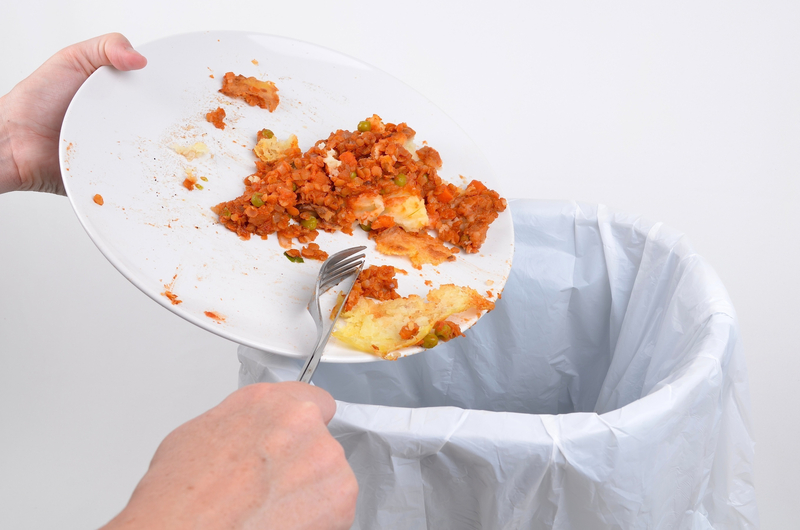
Understanding the Environmental Impact of Packaging and Cardboard
Packaging is essential for product protection and logistics, but it also comes with drawbacks:
- Resource consumption: Cardboard production uses large amounts of wood, water, and energy.
- Waste generation: Discarded packaging, especially cardboard, adds significant volume to landfills.
- Pollution: Improper disposal leads to pollution and greenhouse gas emissions.
Cardboard, often thought of as an eco-friendly material, still possesses an environmental footprint. Its manufacture and disposal can either amplify or reduce environmental stress, depending on the practices adopted at every stage.
Cardboard's Place in the Packaging Ecosystem
Cardboard packaging dominates in shipping, e-commerce, retail, and food industries due to its affordability and relative sustainability. However, the surge in online shopping and quick deliveries has led to unprecedented volumes of cardboard usage worldwide. Addressing this challenge requires a thorough understanding of its lifecycle and opportunities for minimization and responsible disposal.
Best Practices for Sustainable Packaging
Reducing the environmental footprint of packaging begins with innovative, sustainable design and material selection. Businesses and consumers can integrate the following strategies:
Choosing Eco-Friendly Materials
- Recycled content: Opt for cardboard that contains high percentages of recycled fibers to minimize new raw material consumption.
- Biodegradable alternatives: Investigate plant-based or compostable packing solutions.
- Minimal coatings and additives: Select uncoated or lightly coated cardboards for easier recycling and less chemical impact.
Smart Packaging Design
- Right-sizing: Use appropriately sized packaging to reduce excess material and the overall waste stream.
- Reusable designs: Implement box and carton designs intended for multiple life-cycles.
- Multi-functional packaging: Create packaging that can be repurposed post-delivery or transformed into other useful items.
Adopting these strategies as part of a broader eco-friendly packaging plan can significantly cut down environmental impact across supply chains.
The Importance of Efficient Cardboard Disposal
Simply using recyclable materials is not enough. The manner in which we dispose of cardboard determines its ultimate environmental effect:
- Proper recycling prevents landfill overflow.
- Cardboard sent to landfill generates methane as it decomposes anaerobically.
- Recycling conserves energy and reduces greenhouse gas emissions.
Barriers to Effective Cardboard Recycling
Contamination is a major obstacle. Cardboard contaminated with food, oil, or non-recyclable elements (like plastic tape and wax coating) can render entire batches unrecyclable.
- Local recycling capacity: Some regions lack robust recycling infrastructure, forcing otherwise recyclable cardboard into landfill.
- Lack of awareness: Both businesses and consumers may not know best practices for cardboard recycling.
- Convenience: When recycling bins are hard to access, cardboard is more likely to end up as general waste.
Best Methods for Cardboard Disposal
To reduce environmental impact through cardboard disposal, adopt these measures across homes, businesses, and communities:
- Flatten boxes: Save space and make transport easier in recycling streams.
- Remove contaminants: Strip off plastic tapes, foam inserts, and food residue before recycling.
- Proper sorting: Distinguish between recyclable (corrugated and clean) and non-recyclable (waxed, oily, or contaminated) cardboard.
- Compost where feasible: Clean, uncoated cardboard can supplement compost heaps.
- Participate in local recycling programs: Follow guidelines issued by municipal or community waste management services.
The Circular Economy and Cardboard
Embracing the circular economy is vital in achieving a truly sustainable approach to packaging and cardboard waste:
- Reuse before recycle: Encourage secondary uses of cardboard, such as storage or crafts.
- Support products made from recycled material: Create a market demand that builds a positive feedback loop for sustainability.
- Close the loop: Work with packaging suppliers who take back used materials, ensuring re-entry into the production cycle.
The closed-loop recycling model not only reduces waste but also lessens the demand for virgin forest resources, further advancing efforts to minimize the environmental impact of packaging and cardboard disposal.
Benefits of Reducing Packaging and Cardboard Waste
Environmental Benefits
- Conservation of natural resources: Recycling and reusing cardboard preserves forests, water, and energy.
- Landfill reduction: Keeping cardboard out of landfills lessens methane emissions and conserves space.
- Pollution control: Less waste means less litter, lower risk of wildlife harm, and cleaner environments.
Economic & Social Benefits
- Lower disposal costs for businesses: Recycling is often cheaper than landfill fees.
- Job creation: The recycling industry supports employment at various levels.
- Improved brand reputation: Companies showing commitment to sustainability can attract eco-conscious customers.
- Community engagement: Programs encouraging cardboard recycling foster civic participation and collective stewardship.
Challenges and Solutions in Sustainable Packaging
Key Challenges
- Contamination and improper sorting: This undermines recycling efforts and can divert material to landfill.
- Lack of infrastructure: In some regions, recycling services are inadequate or absent, creating barriers for both businesses and individuals.
- Limited consumer awareness: Misunderstandings about what and how to recycle persist.
- Packaging design constraints: Many companies face technical or cost barriers when switching to sustainable designs.
Proven Solutions
- Consumer education: Providing clear instructions on packaging and disposal increases recycling rates.
- Government action: Implementing policies such as Extended Producer Responsibility (EPR) holds manufacturers accountable for the lifecycle of packaging.
- Industry collaboration: Brands and recyclers can work together to design packaging that is both functional and environmentally friendly.
- Investment in recycling technology: Advancements can improve sorting, reduce contamination, and boost recovery rates.
How Can Individuals and Businesses Make a Difference?
Steps for Households
- Choose minimally packaged products.
- Store, reuse, or recycle cardboard thoughtfully.
- Get involved in community recycling programs.
- Educate others: Share knowledge about proper cardboard disposal and the environmental impact of packaging.
Strategies for Businesses
- Source sustainable packaging: Partner with suppliers who offer recycled or certified eco-friendly options.
- Optimize supply chains: Reduce excess packaging at every stage of production and distribution.
- Train staff: Ensure employees know how to handle packaging waste correctly.
- Engage customers: Communicate your commitment and offer take-back programs for packaging.
- Measure progress: Track waste reduction and recycling rates to improve over time.
Innovations in Packaging and Cardboard Management
The field of sustainable packaging is rapidly advancing, fueled by technology and consumer demand:
- Water-based adhesives: Easier removal during recycling processes, resulting in purer recycled fibers.
- Plant-based coatings: Replacing plastic films with biodegradable layers.
- Modular packaging design: Systems engineered for reusability and minimal waste.
- Digital tracking: Smart technology for monitoring packaging lifecycle and waste destinations.
- Industry-wide standards: Certification programs that guarantee recyclable, compostable, or reusable packaging.

The Role of Policy in Reducing Packaging and Cardboard Waste
Policy frameworks play a pivotal role in shifting the packaging industry towards corporate sustainability and greener consumer habits:
- Packaging taxes and levies: Discourage excess material usage.
- Recycling mandates: Require businesses and municipalities to meet minimum recycling targets.
- Product labeling: Mandate clear recycling instructions for consumers.
- Research and development subsidies: Encourage innovation in sustainable materials.
By working hand-in-hand, policy makers, industry, and society at large can make significant strides in reducing packaging-related environmental impact.
Conclusion: The Path Forward in Sustainable Packaging and Cardboard Disposal
Reducing environmental impact through packaging and cardboard disposal requires collective action, informed choices, and continuous improvement. By prioritizing eco-friendly packaging, embracing responsible cardboard disposal, and supporting the circular economy, individuals and businesses can make invaluable contributions to environmental preservation.
As innovations and regulations advance, the packaging sector is poised to become a leading force in sustainability. Working together--reducing, reusing, and recycling at every stage--we can transform packaging from a source of environmental concern into a cornerstone of planet-friendly progress.
Let's all play our part in creating a greener future through mindful packaging decisions and responsible cardboard waste management.