Pushing Boundaries: Stopping Microplastic Pollution
In recent decades, the prevalence of microplastic pollution has caught the attention of environmental scientists, policy-makers, and everyday citizens alike. Microplastics, tiny plastic pieces less than 5mm in size, pose significant threats to aquatic ecosystems, wildlife, and human health. This article delves deep into understanding microplastic contamination, explores innovative solutions, and discusses proactive measures to tackle this escalating crisis.
The Alarming Rise of Microplastic Pollution
From personal care products to synthetic textiles, our modern lives are intertwined with plastics. These materials, when they break down, turn into microplastics, permeating our water bodies and even entering the food chain. Studies indicate that microplastic debris is now found at the highest mountains and the deepest oceans, making it a truly global problem.
Sources of Microplastics
Microplastics originate from a myriad of everyday products. Here are some common sources:
- Cosmetics and Personal Care Products: Items like exfoliators contain microbeads that wash away and contribute to water pollution.
- Synthetic Clothing: Each wash releases fibers into the wastewater.
- Industrial Processes: Industrial runoff often contains plastic particles.
- Decomposition of Larger Plastics: Large plastic waste breaks down over time in natural environments, leading to microplastic pollution.
Impact of Microplastic Contamination
While these tiny plastics may seem insignificant, their impact is far-reaching and potentially catastrophic. Let's explore the various impacts:
Environmental Damages
Marine life, from plankton to whales, ingests microplastics. These plastics then travel up the food chain, affecting biodiversity and ecosystem health. Some key consequences include:
- Habitat Disruption: Persistent pollutants can alter marine and terrestrial environments.
- Toxic Chemical Leaching: Many plastics contain harmful chemicals that leach into water bodies, posing risks to all life forms.
Human Health Risks
The presence of microplastics in drinking water, seafood, and even the air raises red flags about potential health risks. Although research is ongoing, potential threats include:
- Digestive Issues: Ingested microplastics can cause internal abrasions and blockages.
- Toxicity: Chemicals associated with plastics might disrupt endocrine systems and cause other health issues.
Innovative Solutions to Combat Microplastic Pollution
As the magnitude of the problem becomes evident, innovators and researchers are developing groundbreaking solutions to combat microplastic pollution:
Technological Innovations
Several cutting-edge technologies offer promising solutions to minimize and remediate microplastic contamination:
- Advanced Filtration Systems: New filter designs, often for washing machines, capture microfibers before they enter wastewater streams.
- Bacterial Decomposition: Some bacterial strains can break down plastics more efficiently, offering a biological solution to the crisis.
Policy and Community Initiatives
Policy changes and community-driven actions play a vital role in mitigating microplastic pollution:
- Banning Microbeads: Many countries have legislation in place to ban microbeads in cosmetics and personal care products.
- Promoting Biodegradable Alternatives: Encouraging the use of biodegradable materials can significantly reduce potential pollution sources.
Proactive Measures to Prevent Microplastic Pollution
Prevention is better than cure, and there are several steps that individuals and communities can take to halt the spread of microplastics:
Changes in Consumer Behavior
Consumers hold power through conscious decisions:
- Choose Natural Fibers: Opt for clothing made from natural materials like cotton or wool.
- Reduce Single-Use Plastics: Favor reusable items to cut down on plastic waste.
Enhanced Waste Management Practices
A robust approach to waste management can dramatically cut down plastic proliferation. Key strategies include:
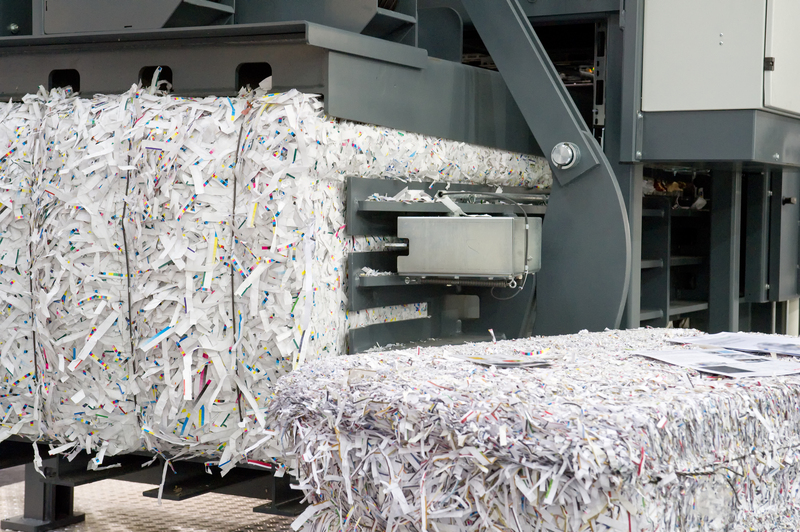
- Recycling and Upcycling: Encouraging innovation in plastic reuse can reduce raw material demand.
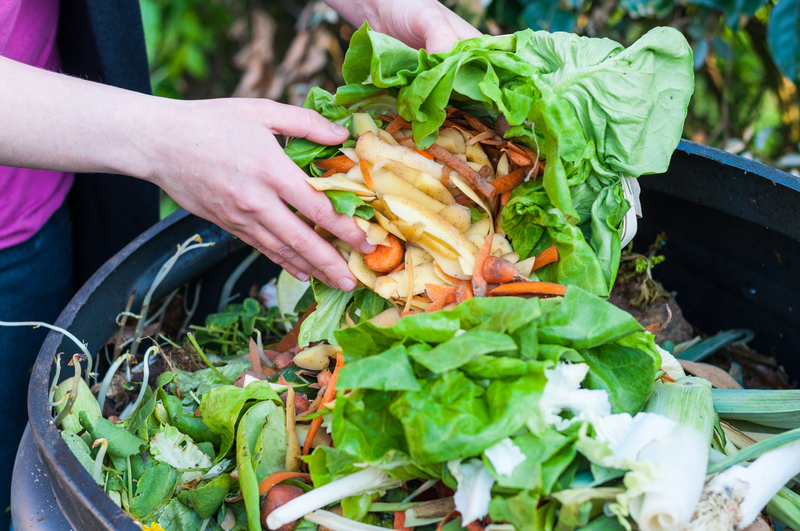
- Composting: Promoting compostable materials as alternatives to plastic.
The Path Forward: Crafting a Resilient Future
The task of stopping microplastic pollution involves collaboration across borders, industries, and communities. While this challenge is daunting, increased awareness, coupled with technological advancements and sustainable practices, can produce lasting change. Let's join hands in pushing these boundaries and securing a cleaner, healthier planet for future generations.
Through innovative solutions, heightened awareness, and sustainable choices, we can stem the tide of microplastics, ensuring that this silent invader does not compromise the integrity of our ecosystems or the health of our global population.